Falb Fee Coturnix Quail Hatching Eggs
Falb Fee Coturnix Hatching Eggs
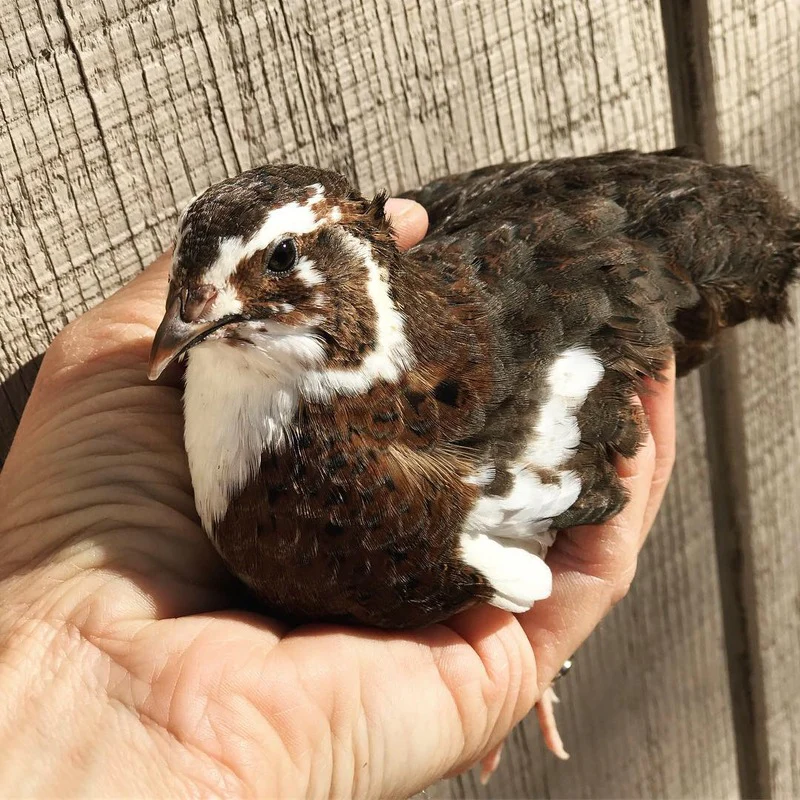
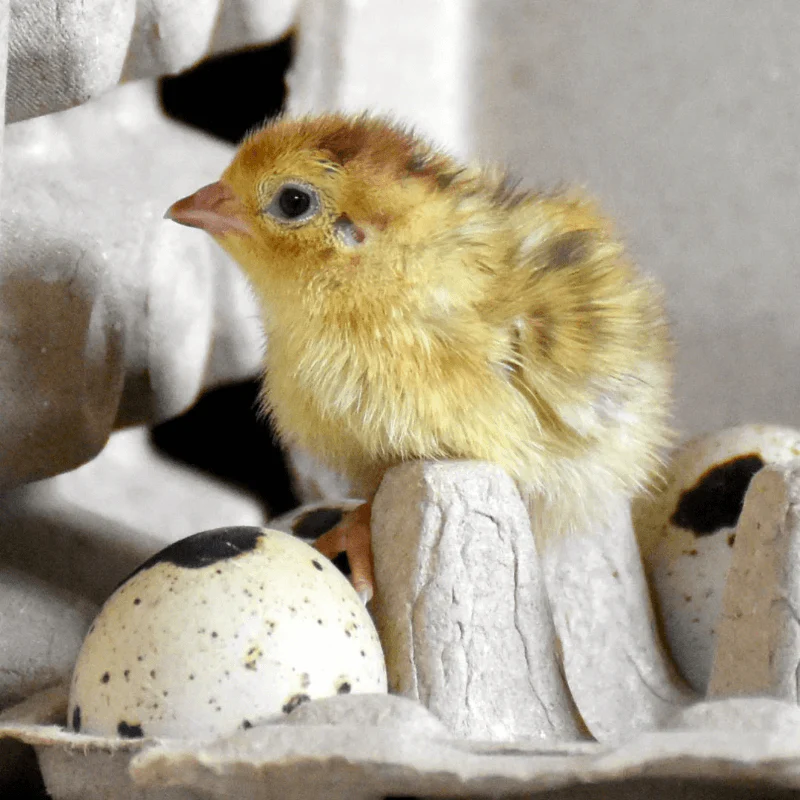
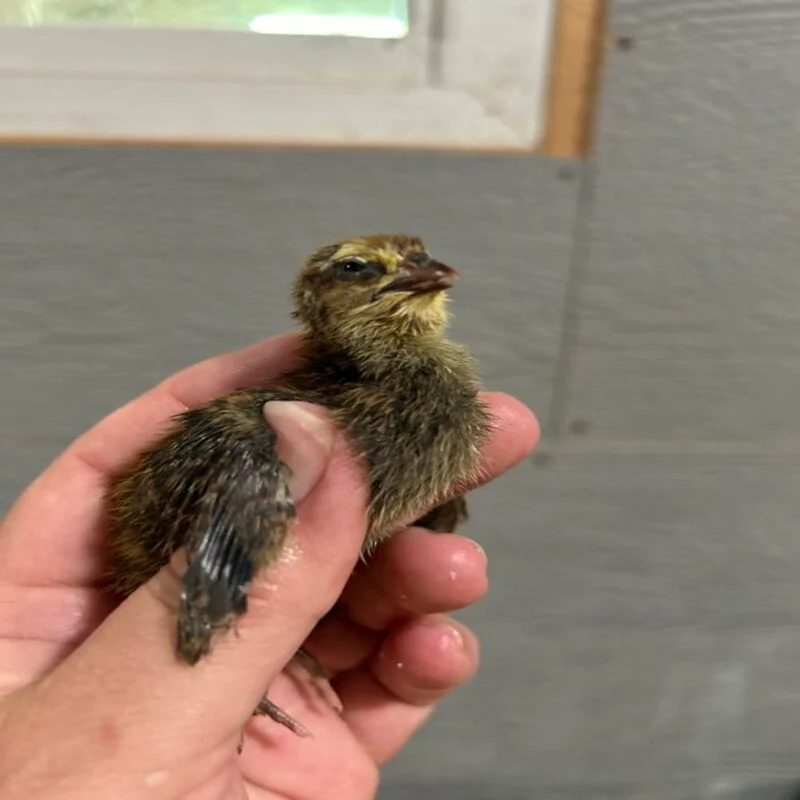
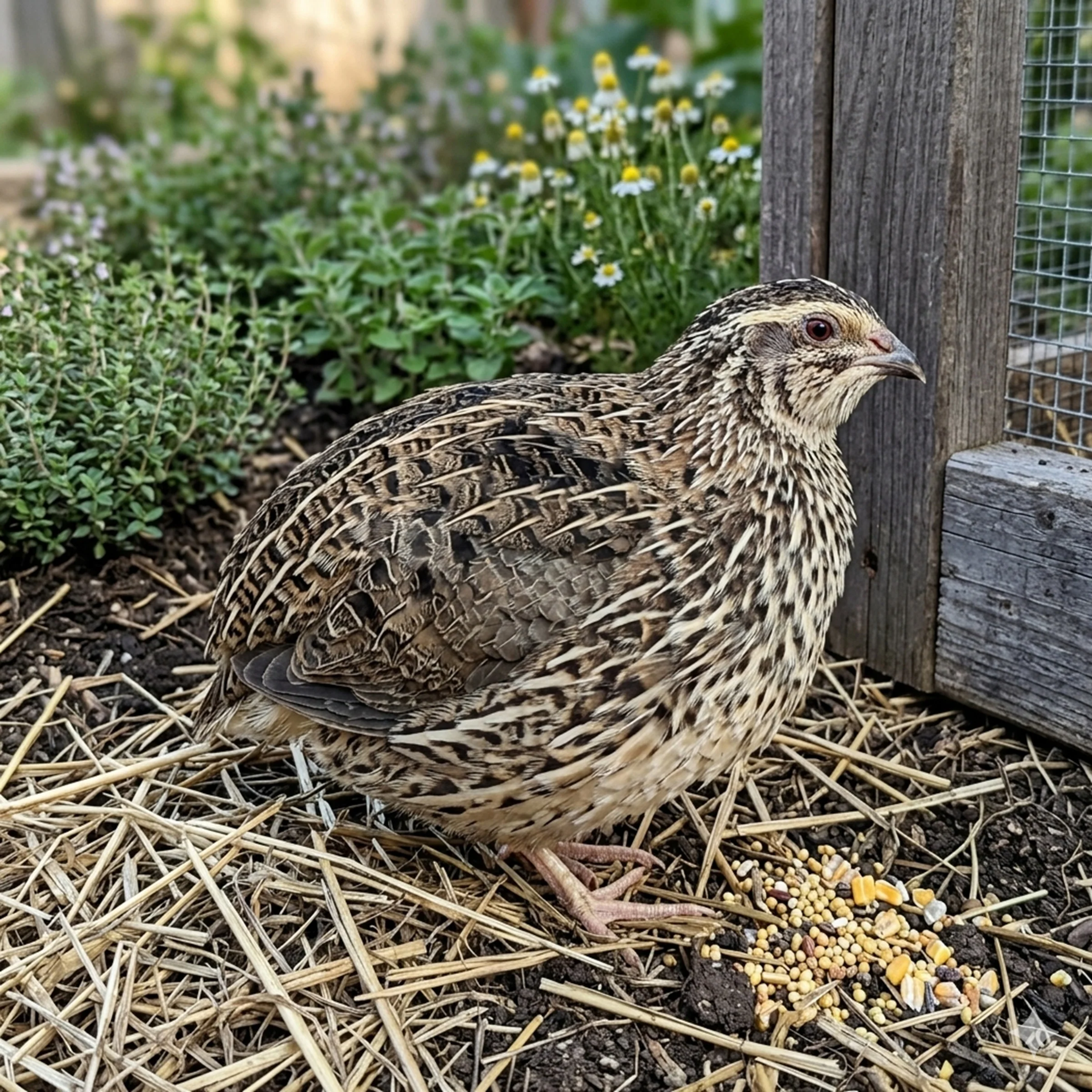
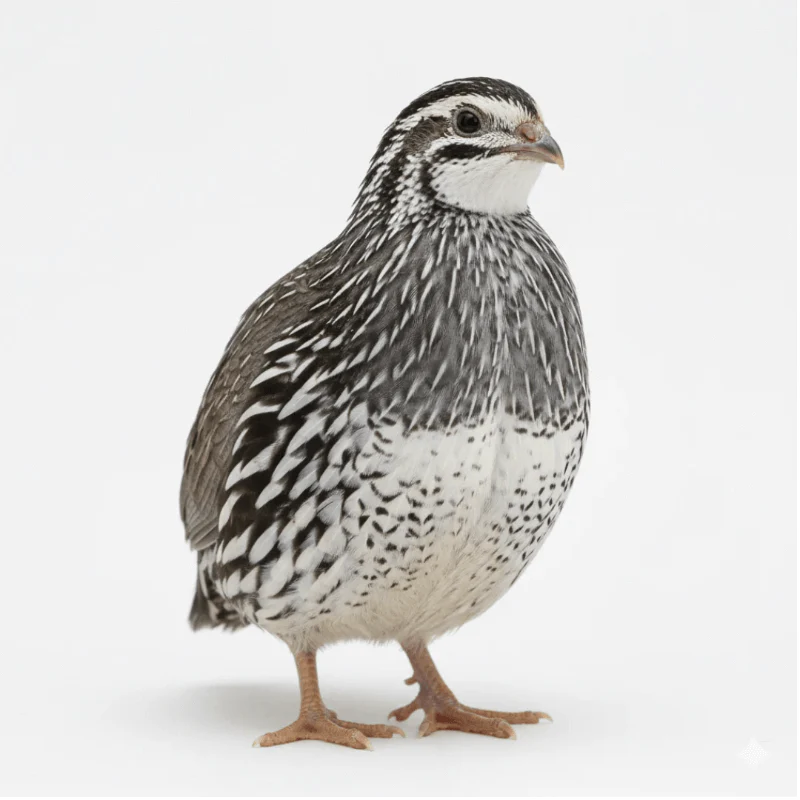
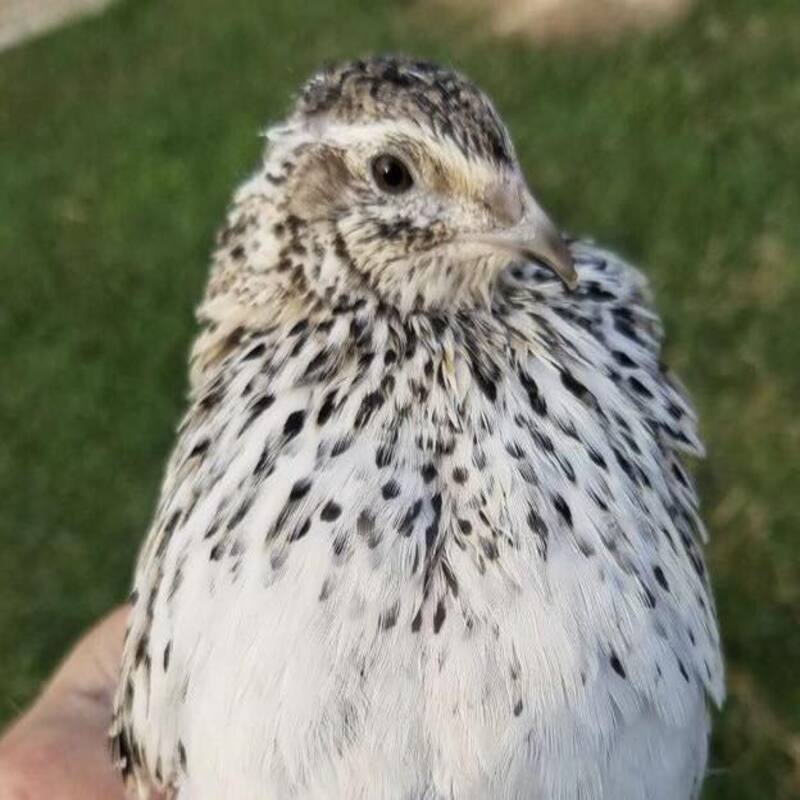
Falb Fee Coturnix quail is a feather-sexable jumbo variety known for its unique silver-black coloration and dependable egg production. These birds are calm and fast-growing and ideal for backyard breeders, homesteaders, and small-scale quail operations. The Falb Fee variety is prized for its attractive plumage, efficient feed conversion, and large speckled eggs.
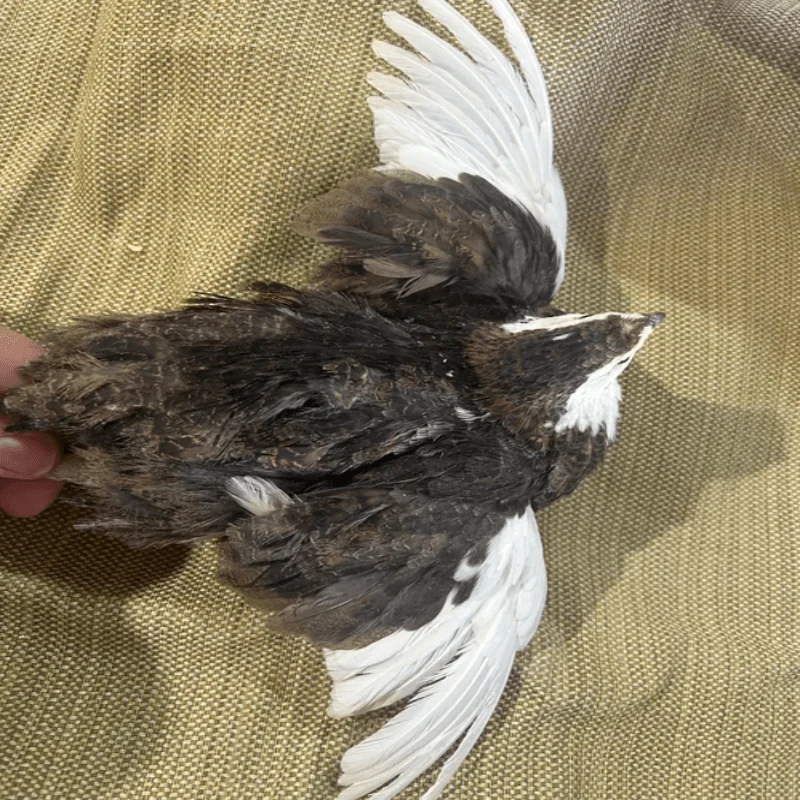
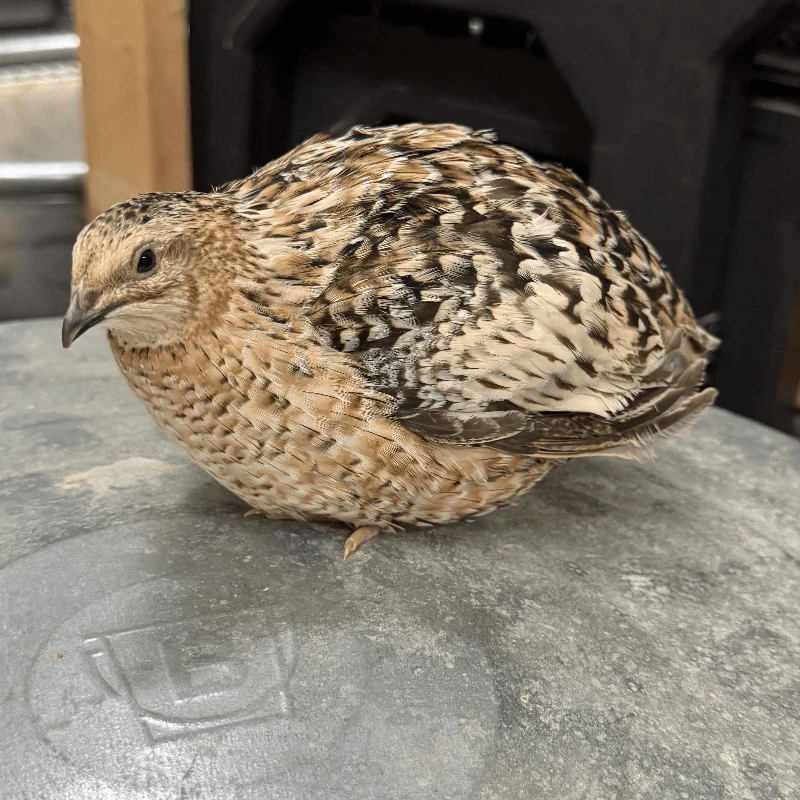
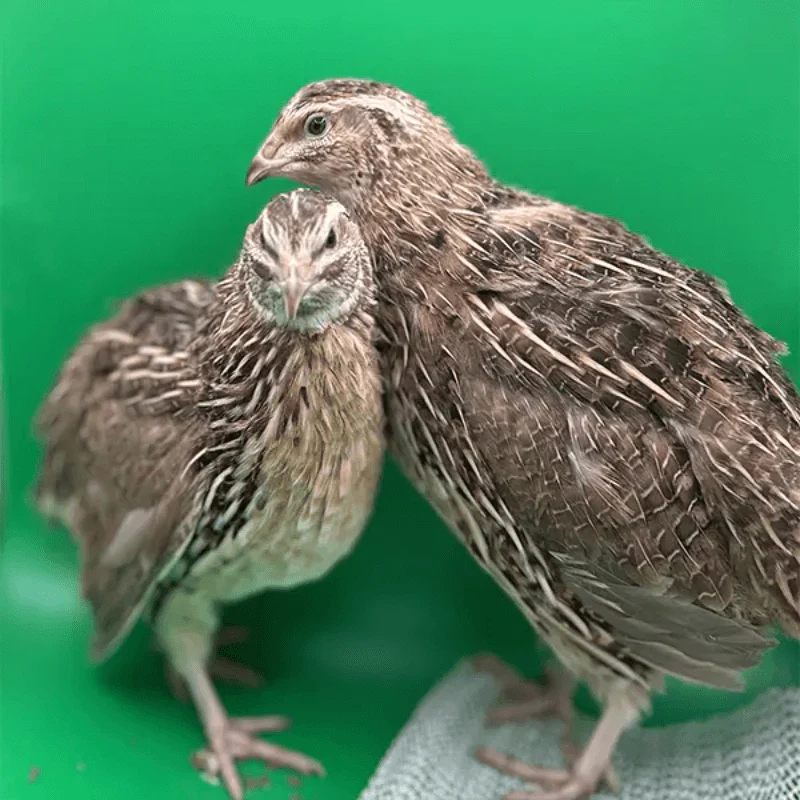
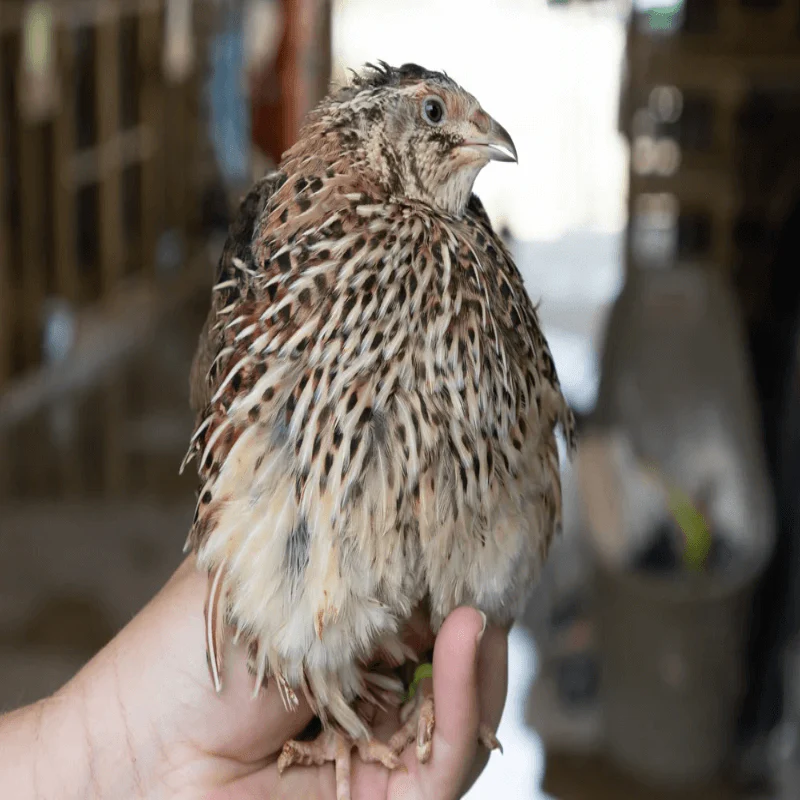
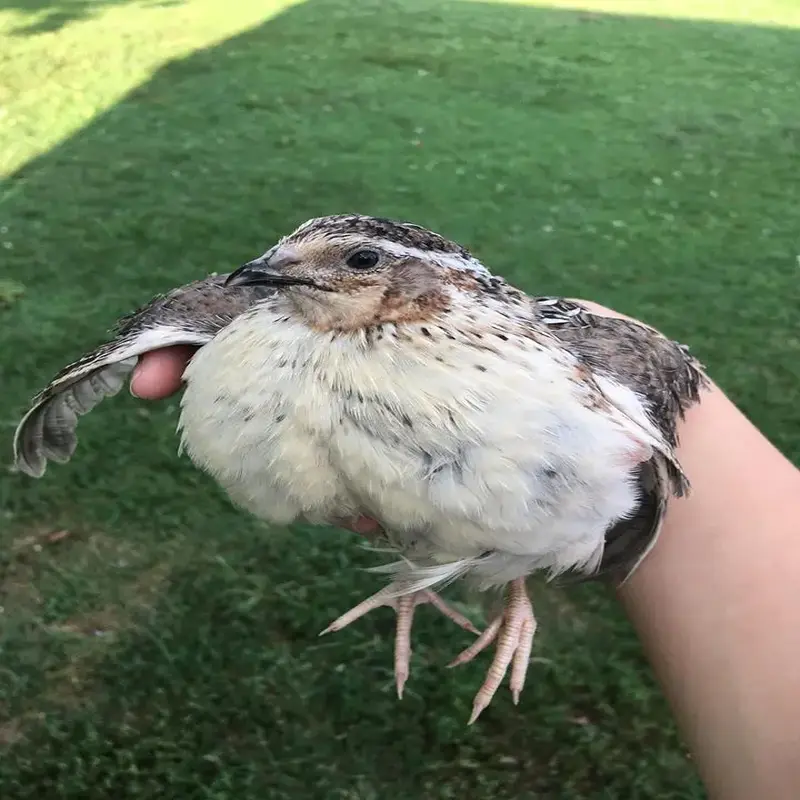
Feather-sexable at hatch, males and females are easy to distinguish—males have a solid white chest, while females show a speckled or mottled chest pattern. The jumbo size makes them suitable for both egg and meat production.
Appearance
Feather Color:
A mix of black, silver, and white tones. Falb Fee coloration creates a marbled, smoky look that is eye-catching and distinctive.
Body Type:
Jumbo-sized Coturnix with broad, stocky frames. Heavier than standard Coturnix, offering higher meat yield.
Head and Beak:
Short, rounded head with dark beak. Compact and clean facial features.
Legs and Feet:
Light to dark orange legs. Males may develop small spurs with age.
Temperament
Calm and Easy to Manage:
Falb Fee Coturnix is docile and adapts well to human interaction. Great for beginners and seasoned breeders alike.
Efficient Feed Conversion:
Fast growth and low feed-to-meat ratio make them efficient for meat production.
Quiet:
Unlike roosters, Coturnix males make soft cooing sounds, making them ideal for urban or suburban setups.
Egg Production
Reliable Layers:
Hens lay 250–300 speckled eggs per year, starting as early as 6–8 weeks old under ideal conditions.
Egg Quality:
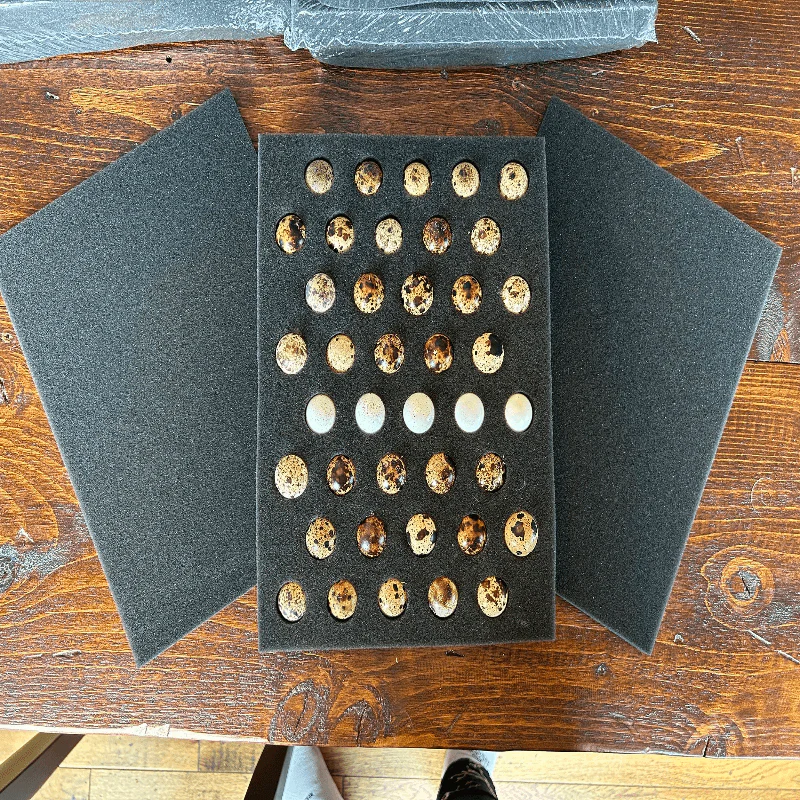
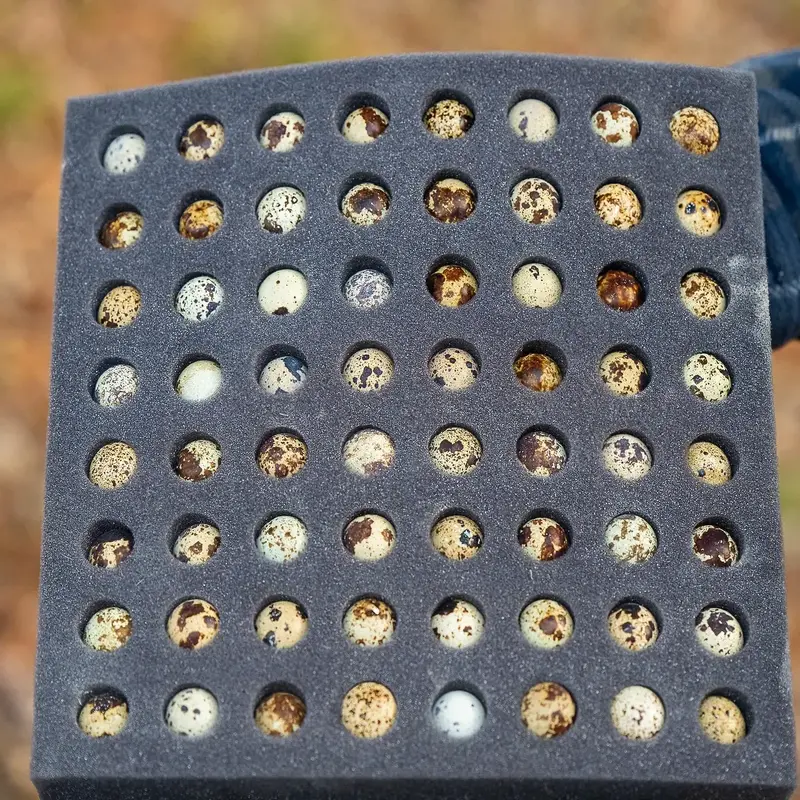
Eggs are small, speckled, and rich in nutrients. Excellent for eating, pickling, or selling.
Feather Sexable Chicks:
At 3–4 weeks, males and females can be distinguished by chest feather pattern—white (male) vs. speckled (female).
Laying Consistency:
Consistent layers throughout spring and summer, with some production in winter if given warmth and supplemental light.
Original: $42.00
-65%$42.00
$14.70More Images
Falb Fee Coturnix Quail Hatching Eggs
Falb Fee Coturnix Hatching Eggs
Falb Fee Coturnix quail is a feather-sexable jumbo variety known for its unique silver-black coloration and dependable egg production. These birds are calm and fast-growing and ideal for backyard breeders, homesteaders, and small-scale quail operations. The Falb Fee variety is prized for its attractive plumage, efficient feed conversion, and large speckled eggs.
Feather-sexable at hatch, males and females are easy to distinguish—males have a solid white chest, while females show a speckled or mottled chest pattern. The jumbo size makes them suitable for both egg and meat production.
Appearance
Feather Color:
A mix of black, silver, and white tones. Falb Fee coloration creates a marbled, smoky look that is eye-catching and distinctive.
Body Type:
Jumbo-sized Coturnix with broad, stocky frames. Heavier than standard Coturnix, offering higher meat yield.
Head and Beak:
Short, rounded head with dark beak. Compact and clean facial features.
Legs and Feet:
Light to dark orange legs. Males may develop small spurs with age.
Temperament
Calm and Easy to Manage:
Falb Fee Coturnix is docile and adapts well to human interaction. Great for beginners and seasoned breeders alike.
Efficient Feed Conversion:
Fast growth and low feed-to-meat ratio make them efficient for meat production.
Quiet:
Unlike roosters, Coturnix males make soft cooing sounds, making them ideal for urban or suburban setups.
Egg Production
Reliable Layers:
Hens lay 250–300 speckled eggs per year, starting as early as 6–8 weeks old under ideal conditions.
Egg Quality:
Eggs are small, speckled, and rich in nutrients. Excellent for eating, pickling, or selling.
Feather Sexable Chicks:
At 3–4 weeks, males and females can be distinguished by chest feather pattern—white (male) vs. speckled (female).
Laying Consistency:
Consistent layers throughout spring and summer, with some production in winter if given warmth and supplemental light.
Product Information
Product Information
Shipping & Returns
Shipping & Returns
Description
Falb Fee Coturnix Hatching Eggs
Falb Fee Coturnix quail is a feather-sexable jumbo variety known for its unique silver-black coloration and dependable egg production. These birds are calm and fast-growing and ideal for backyard breeders, homesteaders, and small-scale quail operations. The Falb Fee variety is prized for its attractive plumage, efficient feed conversion, and large speckled eggs.
Feather-sexable at hatch, males and females are easy to distinguish—males have a solid white chest, while females show a speckled or mottled chest pattern. The jumbo size makes them suitable for both egg and meat production.
Appearance
Feather Color:
A mix of black, silver, and white tones. Falb Fee coloration creates a marbled, smoky look that is eye-catching and distinctive.
Body Type:
Jumbo-sized Coturnix with broad, stocky frames. Heavier than standard Coturnix, offering higher meat yield.
Head and Beak:
Short, rounded head with dark beak. Compact and clean facial features.
Legs and Feet:
Light to dark orange legs. Males may develop small spurs with age.
Temperament
Calm and Easy to Manage:
Falb Fee Coturnix is docile and adapts well to human interaction. Great for beginners and seasoned breeders alike.
Efficient Feed Conversion:
Fast growth and low feed-to-meat ratio make them efficient for meat production.
Quiet:
Unlike roosters, Coturnix males make soft cooing sounds, making them ideal for urban or suburban setups.
Egg Production
Reliable Layers:
Hens lay 250–300 speckled eggs per year, starting as early as 6–8 weeks old under ideal conditions.
Egg Quality:
Eggs are small, speckled, and rich in nutrients. Excellent for eating, pickling, or selling.
Feather Sexable Chicks:
At 3–4 weeks, males and females can be distinguished by chest feather pattern—white (male) vs. speckled (female).
Laying Consistency:
Consistent layers throughout spring and summer, with some production in winter if given warmth and supplemental light.