Mallard Duck Hatching Eggs
Fertile Duck Hatching Eggs
Mallard Duck Hatching Eggs
Raise the bird everyone recognizes but not everyone is prepared to keep well. Mallard Duck Hatching Eggs are for keepers who want active, sharp, beautiful ducks with real wild-type instincts, strong foraging ability, and unmistakable pond appeal.
Mallards are not oversized barnyard ducks that sit around waiting for feed. They move, forage, fly, vocalize, and stay busy. That is exactly why people love them. Hatch them right, brood them right, and give them the space and water setup they deserve.
Hatch Time
About 28 Days
Most duck keepers plan around a 28-day incubation window for Mallard eggs.
Best For
Ponds & Aviaries
Ideal for ornamental waterfowl setups, hobby flocks, and education-focused hatching projects.
Temperament
Active & Alert
Social, vocal, fast-moving birds with strong natural instincts and excellent awareness.
Mallard Duck Hatching Eggs for Ponds, Aviaries & Hobby Flocks
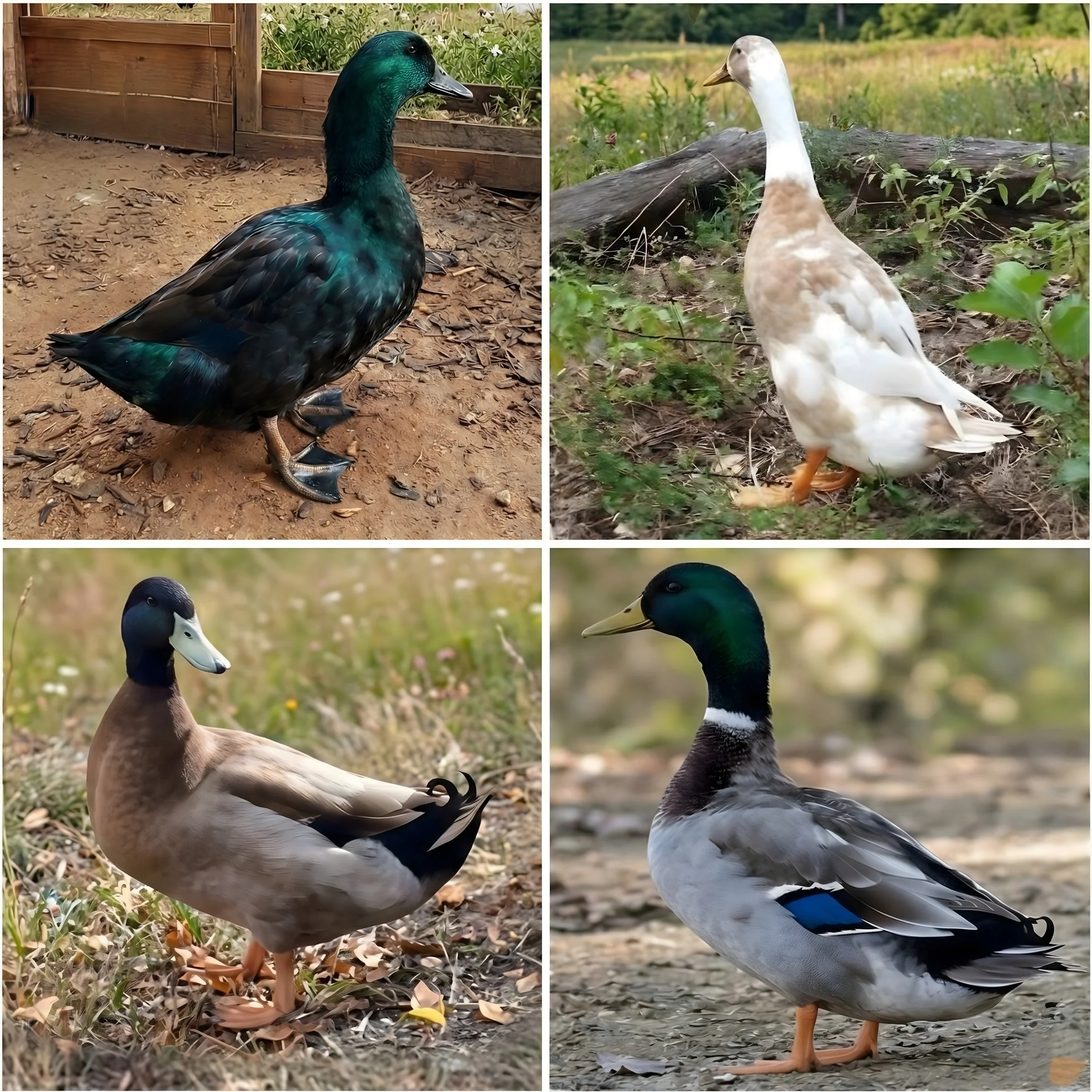
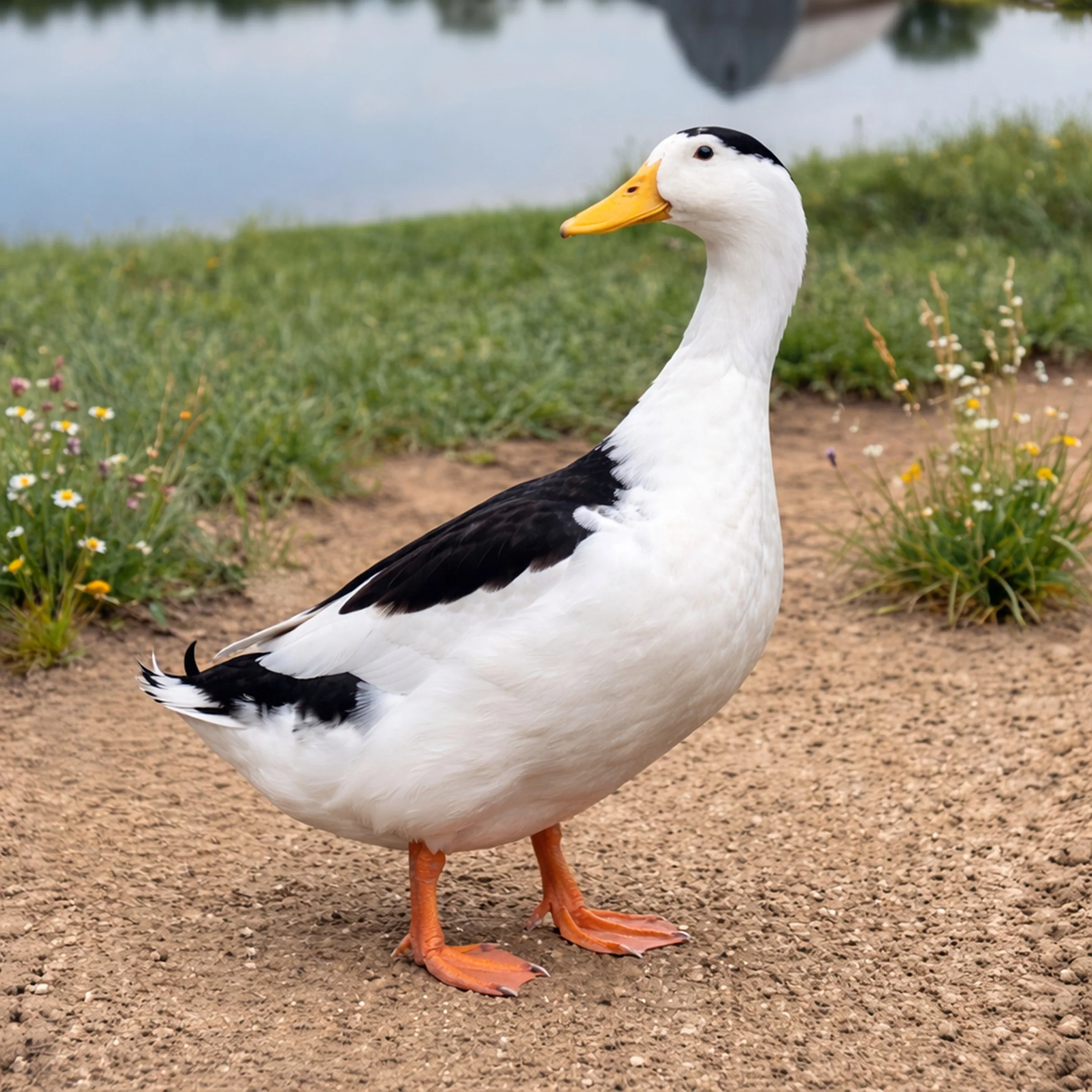
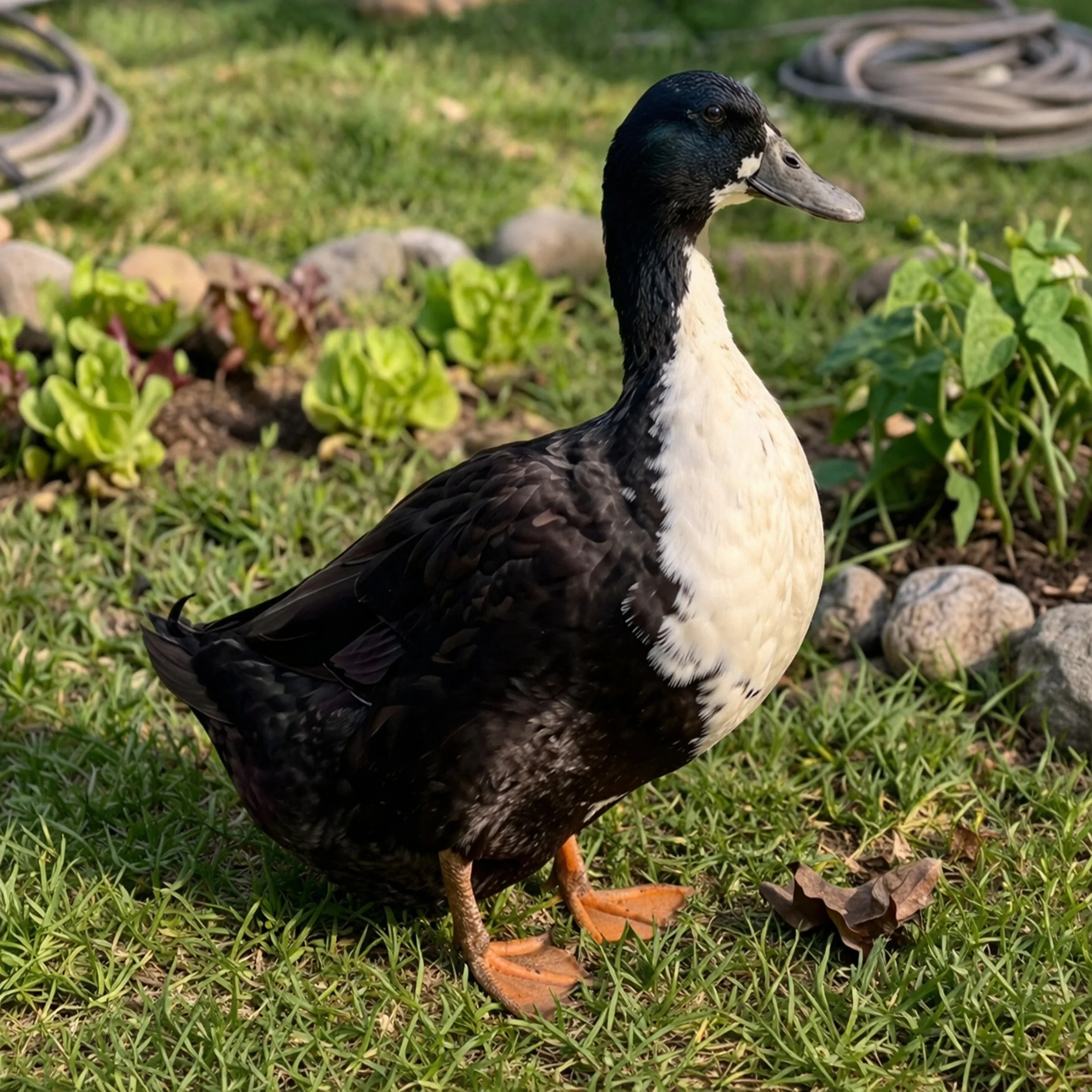
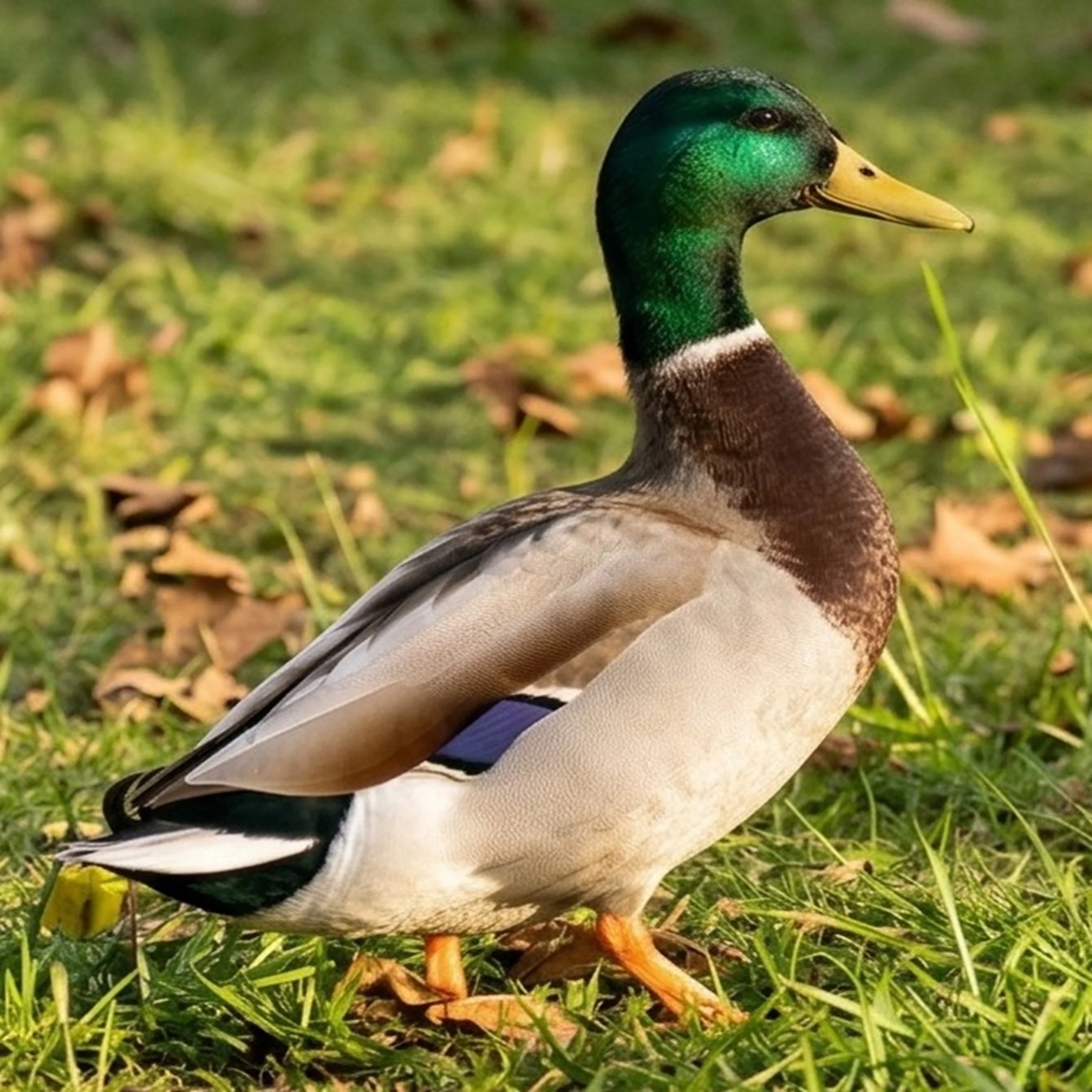
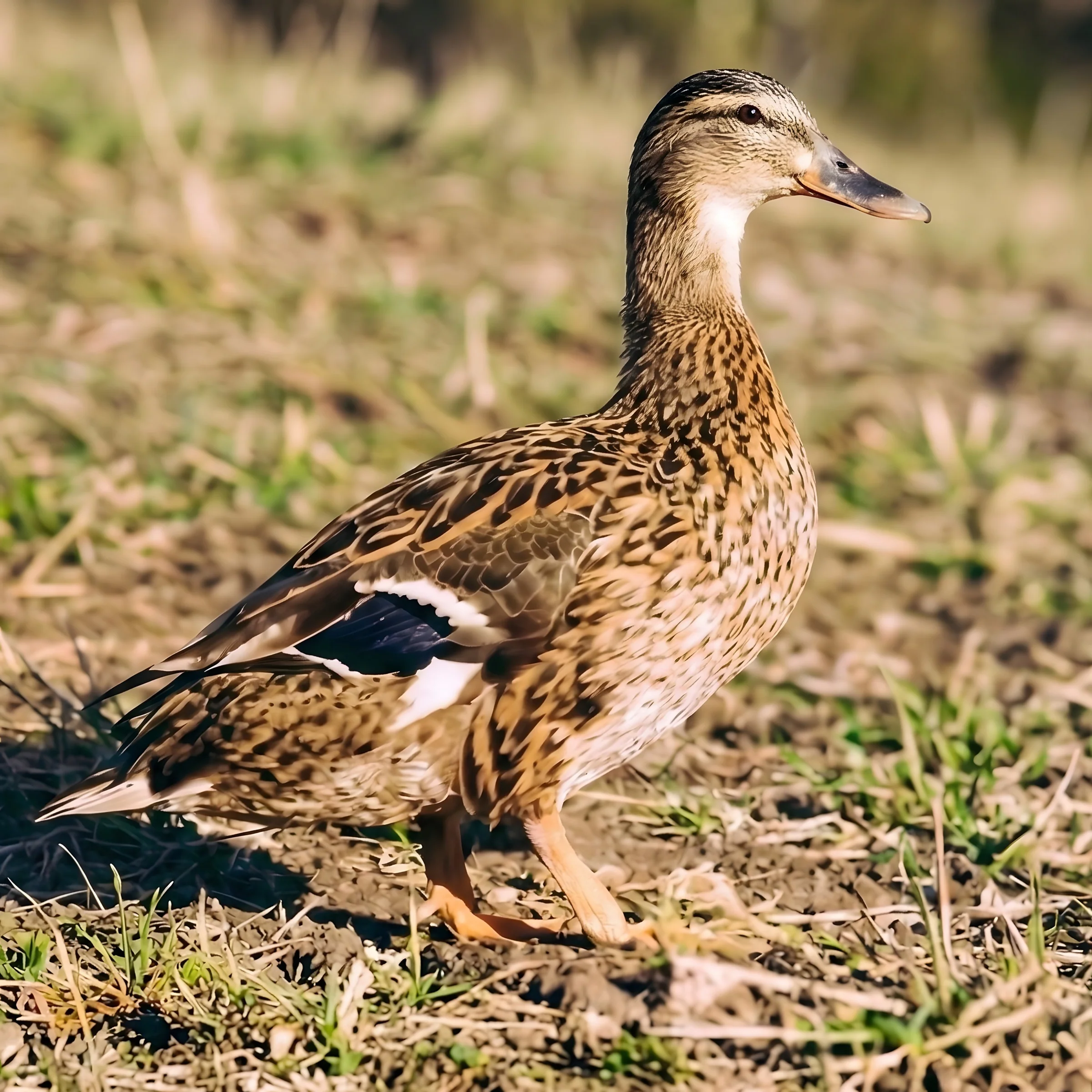
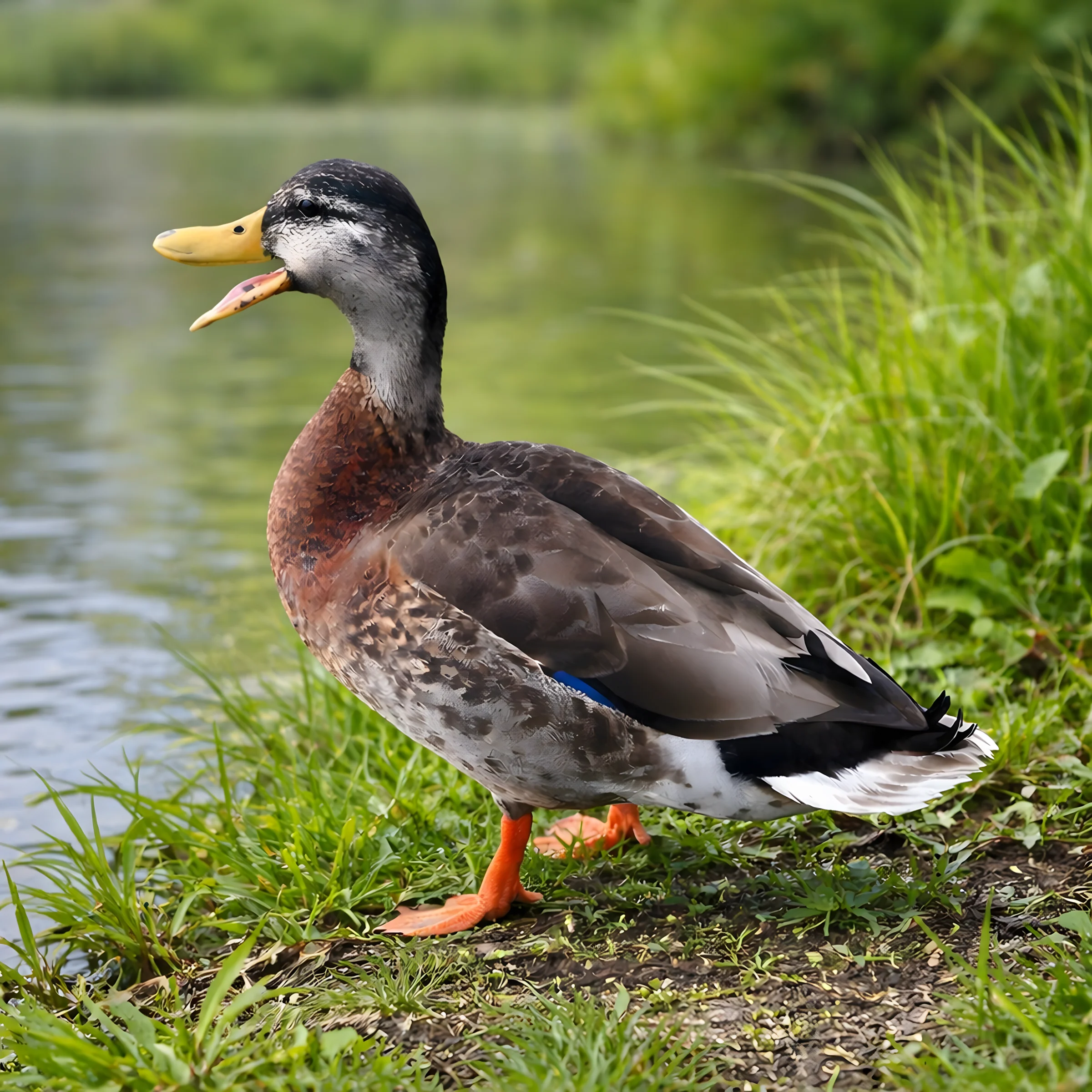
Mallards are one of the most iconic duck breeds on earth for a reason. Drakes carry the classic glossy green head, white neck ring, chestnut breast, gray body, and curled tail feathers. Hens wear mottled brown plumage that gives them excellent natural camouflage around grasses, pond edges, and nesting cover. Both sexes show the blue-purple wing speculum edged in white.
These mallard duck eggs for hatching are a strong fit for keepers who want birds with natural behavior, not dull yard ornaments. Mallards forage aggressively, use water well, and bring movement to a pond or enclosed waterfowl pen. They are also capable flyers, so containment and local rules matter.
Why Raise Mallards?
Classic Pond Presence
Few ducks look better on water. Mallards bring color, movement, and natural behavior to a pond or aviary.
Strong Foraging Instincts
Mallards work over insects, snails, slugs, tender greens, and shallow-water food sources with serious enthusiasm.
Hardy, Active Birds
They handle outdoor life well when raised with proper brooding, shelter, clean water, and predator protection.
Excellent Educational Hatch
Mallard ducklings hatch alert, quick, and curious. They are a memorable choice for families and hands-on learning.
Mallard Duck Breed Overview
| Type | Dabbling duck |
| Size | Medium |
| Length | About 20–26 inches |
| Wingspan | About 32–39 inches |
| Weight | About 1.5–3.5 lbs |
| Incubation | Plan for roughly 28 days |
| Temperament | Active, social, vocal, and alert |
| Flying Ability | Strong flyer when mature |
Mallard Duck Egg Incubation Guide
Hatching duck eggs is not complicated, but it is unforgiving if your incubator swings all over the place. Set your equipment before the eggs arrive. Do not wait until the box is on the counter to find out your thermometer is lying.
| Stage | Days | What To Do |
|---|---|---|
| Set Eggs | Day 1 | Allow shipped eggs to settle, then place them in a clean, stable incubator. |
| Development | Days 1–25 | Maintain steady temperature, manage humidity, and turn eggs consistently unless using an automatic turner. |
| Candling | Around Days 7–14 | Check for veins and development. Remove clears or questionable eggs only when you are confident. |
| Lockdown | Final 3 Days | Stop turning, raise humidity, and keep the incubator closed unless there is a real problem. |
| Hatch | Around Day 28 | Let ducklings dry and strengthen before moving them to a warm brooder. |
Do Not Guess Your Incubator Settings
Use a calibrated thermometer and hygrometer. Shipped hatching eggs already have a harder trip than eggs set straight from your own nesting box. Stable equipment is not optional.
What Mallard Ducklings Look Like After Hatch
Mallard ducklings usually hatch with bright yellow undersides, darker backs, dark eye streaks, and small dark bills. They are alert, quick, and curious from the start. As they mature, drakes develop the famous green head and chestnut breast, while hens keep the practical mottled brown plumage that makes Mallards so well camouflaged in natural cover.
Give ducklings a warm brooder, dry footing, clean water they cannot drown in, and starter feed appropriate for waterfowl. Ducklings are tough, but sloppy brooder management will punish you fast.
Order & Shipping Information
- Product: Mallard Duck Hatching Eggs
- Shipping Schedule: Shipping is scheduled for about 1 week after purchase and will go out on the next available Tuesday or Wednesday.
- Availability: Limited seasonal quantities. Order early if you want a specific hatch window.
- Sexing: Hatching eggs are not sexed. Any ducklings hatched are straight run.
- Use: Intended for hobby, breeding, ornamental, pond, aviary, or educational hatching purposes.
Important Mallard Ownership Note
Mallards are capable flyers and may be regulated differently than common domestic duck breeds depending on your location. Before ordering, check your local, state, and federal requirements for keeping, marking, releasing, or selling Mallards. Do not collect wild eggs, do not release birds without understanding the rules, and do not assume pond ownership means the birds will stay.
If you want Mallards to remain on your property, plan for a secure covered aviary, wing management where legal and appropriate, or a fully enclosed waterfowl setup. A good Mallard setup starts before the eggs arrive.
Frequently Asked Questions
How long do Mallard duck eggs take to hatch?
Plan for about 28 days. Some Mallard eggs may hatch slightly earlier or later depending on incubator temperature, humidity, handling, and egg condition.
What do Mallard duck eggs look like?
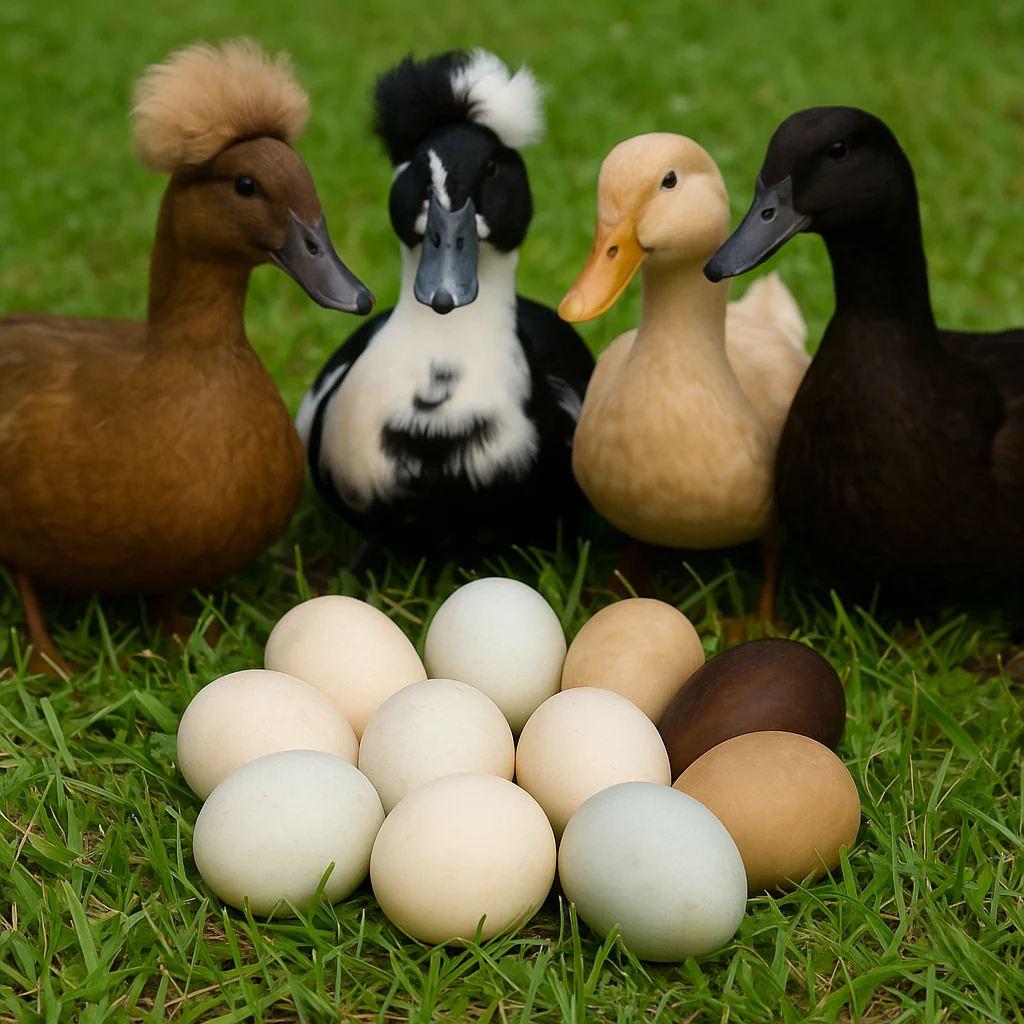
Mallard eggs are typically unmarked and can range from creamy to grayish or greenish buff. Natural color can vary from bird to bird.
Can Mallard ducks fly?
Yes. Mallards are strong flyers once mature. If you need birds to stay in one place, use a covered aviary or another legal containment plan.
Are Mallard hatching eggs guaranteed to hatch?
Hatching results depend on shipping stress, storage, incubation equipment, temperature, humidity, turning, and handling. No hatching egg seller can control what happens after eggs leave the farm, so serious hatchers should have equipment tested before eggs arrive.
Do I need to check local rules before raising Mallards?
Yes. Mallards may be subject to waterfowl, wildlife, marking, possession, or release rules depending on where you live. Check your state wildlife agency or local DNR before ordering.
Hatch Mallards the Right Way
Mallards are not the duck for careless setups. They are active, beautiful, capable birds that reward keepers who plan ahead. Get the incubator ready, build the brooder before hatch day, and give these birds the water, space, and protection they deserve.
Order Mallard Duck Hatching Eggs while seasonal availability lasts.
Original: $42.00
-65%$42.00
$14.70More Images
Mallard Duck Hatching Eggs
Fertile Duck Hatching Eggs
Mallard Duck Hatching Eggs
Raise the bird everyone recognizes but not everyone is prepared to keep well. Mallard Duck Hatching Eggs are for keepers who want active, sharp, beautiful ducks with real wild-type instincts, strong foraging ability, and unmistakable pond appeal.
Mallards are not oversized barnyard ducks that sit around waiting for feed. They move, forage, fly, vocalize, and stay busy. That is exactly why people love them. Hatch them right, brood them right, and give them the space and water setup they deserve.
Hatch Time
About 28 Days
Most duck keepers plan around a 28-day incubation window for Mallard eggs.
Best For
Ponds & Aviaries
Ideal for ornamental waterfowl setups, hobby flocks, and education-focused hatching projects.
Temperament
Active & Alert
Social, vocal, fast-moving birds with strong natural instincts and excellent awareness.
Mallard Duck Hatching Eggs for Ponds, Aviaries & Hobby Flocks
Mallards are one of the most iconic duck breeds on earth for a reason. Drakes carry the classic glossy green head, white neck ring, chestnut breast, gray body, and curled tail feathers. Hens wear mottled brown plumage that gives them excellent natural camouflage around grasses, pond edges, and nesting cover. Both sexes show the blue-purple wing speculum edged in white.
These mallard duck eggs for hatching are a strong fit for keepers who want birds with natural behavior, not dull yard ornaments. Mallards forage aggressively, use water well, and bring movement to a pond or enclosed waterfowl pen. They are also capable flyers, so containment and local rules matter.
Why Raise Mallards?
Classic Pond Presence
Few ducks look better on water. Mallards bring color, movement, and natural behavior to a pond or aviary.
Strong Foraging Instincts
Mallards work over insects, snails, slugs, tender greens, and shallow-water food sources with serious enthusiasm.
Hardy, Active Birds
They handle outdoor life well when raised with proper brooding, shelter, clean water, and predator protection.
Excellent Educational Hatch
Mallard ducklings hatch alert, quick, and curious. They are a memorable choice for families and hands-on learning.
Mallard Duck Breed Overview
| Type | Dabbling duck |
| Size | Medium |
| Length | About 20–26 inches |
| Wingspan | About 32–39 inches |
| Weight | About 1.5–3.5 lbs |
| Incubation | Plan for roughly 28 days |
| Temperament | Active, social, vocal, and alert |
| Flying Ability | Strong flyer when mature |
Mallard Duck Egg Incubation Guide
Hatching duck eggs is not complicated, but it is unforgiving if your incubator swings all over the place. Set your equipment before the eggs arrive. Do not wait until the box is on the counter to find out your thermometer is lying.
| Stage | Days | What To Do |
|---|---|---|
| Set Eggs | Day 1 | Allow shipped eggs to settle, then place them in a clean, stable incubator. |
| Development | Days 1–25 | Maintain steady temperature, manage humidity, and turn eggs consistently unless using an automatic turner. |
| Candling | Around Days 7–14 | Check for veins and development. Remove clears or questionable eggs only when you are confident. |
| Lockdown | Final 3 Days | Stop turning, raise humidity, and keep the incubator closed unless there is a real problem. |
| Hatch | Around Day 28 | Let ducklings dry and strengthen before moving them to a warm brooder. |
Do Not Guess Your Incubator Settings
Use a calibrated thermometer and hygrometer. Shipped hatching eggs already have a harder trip than eggs set straight from your own nesting box. Stable equipment is not optional.
What Mallard Ducklings Look Like After Hatch
Mallard ducklings usually hatch with bright yellow undersides, darker backs, dark eye streaks, and small dark bills. They are alert, quick, and curious from the start. As they mature, drakes develop the famous green head and chestnut breast, while hens keep the practical mottled brown plumage that makes Mallards so well camouflaged in natural cover.
Give ducklings a warm brooder, dry footing, clean water they cannot drown in, and starter feed appropriate for waterfowl. Ducklings are tough, but sloppy brooder management will punish you fast.
Order & Shipping Information
- Product: Mallard Duck Hatching Eggs
- Shipping Schedule: Shipping is scheduled for about 1 week after purchase and will go out on the next available Tuesday or Wednesday.
- Availability: Limited seasonal quantities. Order early if you want a specific hatch window.
- Sexing: Hatching eggs are not sexed. Any ducklings hatched are straight run.
- Use: Intended for hobby, breeding, ornamental, pond, aviary, or educational hatching purposes.
Important Mallard Ownership Note
Mallards are capable flyers and may be regulated differently than common domestic duck breeds depending on your location. Before ordering, check your local, state, and federal requirements for keeping, marking, releasing, or selling Mallards. Do not collect wild eggs, do not release birds without understanding the rules, and do not assume pond ownership means the birds will stay.
If you want Mallards to remain on your property, plan for a secure covered aviary, wing management where legal and appropriate, or a fully enclosed waterfowl setup. A good Mallard setup starts before the eggs arrive.
Frequently Asked Questions
How long do Mallard duck eggs take to hatch?
Plan for about 28 days. Some Mallard eggs may hatch slightly earlier or later depending on incubator temperature, humidity, handling, and egg condition.
What do Mallard duck eggs look like?
Mallard eggs are typically unmarked and can range from creamy to grayish or greenish buff. Natural color can vary from bird to bird.
Can Mallard ducks fly?
Yes. Mallards are strong flyers once mature. If you need birds to stay in one place, use a covered aviary or another legal containment plan.
Are Mallard hatching eggs guaranteed to hatch?
Hatching results depend on shipping stress, storage, incubation equipment, temperature, humidity, turning, and handling. No hatching egg seller can control what happens after eggs leave the farm, so serious hatchers should have equipment tested before eggs arrive.
Do I need to check local rules before raising Mallards?
Yes. Mallards may be subject to waterfowl, wildlife, marking, possession, or release rules depending on where you live. Check your state wildlife agency or local DNR before ordering.
Hatch Mallards the Right Way
Mallards are not the duck for careless setups. They are active, beautiful, capable birds that reward keepers who plan ahead. Get the incubator ready, build the brooder before hatch day, and give these birds the water, space, and protection they deserve.
Order Mallard Duck Hatching Eggs while seasonal availability lasts.
Product Information
Product Information
Shipping & Returns
Shipping & Returns
Description
Fertile Duck Hatching Eggs
Mallard Duck Hatching Eggs
Raise the bird everyone recognizes but not everyone is prepared to keep well. Mallard Duck Hatching Eggs are for keepers who want active, sharp, beautiful ducks with real wild-type instincts, strong foraging ability, and unmistakable pond appeal.
Mallards are not oversized barnyard ducks that sit around waiting for feed. They move, forage, fly, vocalize, and stay busy. That is exactly why people love them. Hatch them right, brood them right, and give them the space and water setup they deserve.
Hatch Time
About 28 Days
Most duck keepers plan around a 28-day incubation window for Mallard eggs.
Best For
Ponds & Aviaries
Ideal for ornamental waterfowl setups, hobby flocks, and education-focused hatching projects.
Temperament
Active & Alert
Social, vocal, fast-moving birds with strong natural instincts and excellent awareness.
Mallard Duck Hatching Eggs for Ponds, Aviaries & Hobby Flocks
Mallards are one of the most iconic duck breeds on earth for a reason. Drakes carry the classic glossy green head, white neck ring, chestnut breast, gray body, and curled tail feathers. Hens wear mottled brown plumage that gives them excellent natural camouflage around grasses, pond edges, and nesting cover. Both sexes show the blue-purple wing speculum edged in white.
These mallard duck eggs for hatching are a strong fit for keepers who want birds with natural behavior, not dull yard ornaments. Mallards forage aggressively, use water well, and bring movement to a pond or enclosed waterfowl pen. They are also capable flyers, so containment and local rules matter.
Why Raise Mallards?
Classic Pond Presence
Few ducks look better on water. Mallards bring color, movement, and natural behavior to a pond or aviary.
Strong Foraging Instincts
Mallards work over insects, snails, slugs, tender greens, and shallow-water food sources with serious enthusiasm.
Hardy, Active Birds
They handle outdoor life well when raised with proper brooding, shelter, clean water, and predator protection.
Excellent Educational Hatch
Mallard ducklings hatch alert, quick, and curious. They are a memorable choice for families and hands-on learning.
Mallard Duck Breed Overview
| Type | Dabbling duck |
| Size | Medium |
| Length | About 20–26 inches |
| Wingspan | About 32–39 inches |
| Weight | About 1.5–3.5 lbs |
| Incubation | Plan for roughly 28 days |
| Temperament | Active, social, vocal, and alert |
| Flying Ability | Strong flyer when mature |
Mallard Duck Egg Incubation Guide
Hatching duck eggs is not complicated, but it is unforgiving if your incubator swings all over the place. Set your equipment before the eggs arrive. Do not wait until the box is on the counter to find out your thermometer is lying.
| Stage | Days | What To Do |
|---|---|---|
| Set Eggs | Day 1 | Allow shipped eggs to settle, then place them in a clean, stable incubator. |
| Development | Days 1–25 | Maintain steady temperature, manage humidity, and turn eggs consistently unless using an automatic turner. |
| Candling | Around Days 7–14 | Check for veins and development. Remove clears or questionable eggs only when you are confident. |
| Lockdown | Final 3 Days | Stop turning, raise humidity, and keep the incubator closed unless there is a real problem. |
| Hatch | Around Day 28 | Let ducklings dry and strengthen before moving them to a warm brooder. |
Do Not Guess Your Incubator Settings
Use a calibrated thermometer and hygrometer. Shipped hatching eggs already have a harder trip than eggs set straight from your own nesting box. Stable equipment is not optional.
What Mallard Ducklings Look Like After Hatch
Mallard ducklings usually hatch with bright yellow undersides, darker backs, dark eye streaks, and small dark bills. They are alert, quick, and curious from the start. As they mature, drakes develop the famous green head and chestnut breast, while hens keep the practical mottled brown plumage that makes Mallards so well camouflaged in natural cover.
Give ducklings a warm brooder, dry footing, clean water they cannot drown in, and starter feed appropriate for waterfowl. Ducklings are tough, but sloppy brooder management will punish you fast.
Order & Shipping Information
- Product: Mallard Duck Hatching Eggs
- Shipping Schedule: Shipping is scheduled for about 1 week after purchase and will go out on the next available Tuesday or Wednesday.
- Availability: Limited seasonal quantities. Order early if you want a specific hatch window.
- Sexing: Hatching eggs are not sexed. Any ducklings hatched are straight run.
- Use: Intended for hobby, breeding, ornamental, pond, aviary, or educational hatching purposes.
Important Mallard Ownership Note
Mallards are capable flyers and may be regulated differently than common domestic duck breeds depending on your location. Before ordering, check your local, state, and federal requirements for keeping, marking, releasing, or selling Mallards. Do not collect wild eggs, do not release birds without understanding the rules, and do not assume pond ownership means the birds will stay.
If you want Mallards to remain on your property, plan for a secure covered aviary, wing management where legal and appropriate, or a fully enclosed waterfowl setup. A good Mallard setup starts before the eggs arrive.
Frequently Asked Questions
How long do Mallard duck eggs take to hatch?
Plan for about 28 days. Some Mallard eggs may hatch slightly earlier or later depending on incubator temperature, humidity, handling, and egg condition.
What do Mallard duck eggs look like?
Mallard eggs are typically unmarked and can range from creamy to grayish or greenish buff. Natural color can vary from bird to bird.
Can Mallard ducks fly?
Yes. Mallards are strong flyers once mature. If you need birds to stay in one place, use a covered aviary or another legal containment plan.
Are Mallard hatching eggs guaranteed to hatch?
Hatching results depend on shipping stress, storage, incubation equipment, temperature, humidity, turning, and handling. No hatching egg seller can control what happens after eggs leave the farm, so serious hatchers should have equipment tested before eggs arrive.
Do I need to check local rules before raising Mallards?
Yes. Mallards may be subject to waterfowl, wildlife, marking, possession, or release rules depending on where you live. Check your state wildlife agency or local DNR before ordering.
Hatch Mallards the Right Way
Mallards are not the duck for careless setups. They are active, beautiful, capable birds that reward keepers who plan ahead. Get the incubator ready, build the brooder before hatch day, and give these birds the water, space, and protection they deserve.
Order Mallard Duck Hatching Eggs while seasonal availability lasts.